
Garage Mold Removal
Professional assessment and removal of mold growth in garages to restore a safe, clean space.
Garage mold removal in Winchester, VA, targets hidden and visible mold colonies thriving in damp, poorly ventilated spaces like garages, basements, and storage areas. This service includes containment, safe removal of contaminated materials, and thorough cleaning to prevent regrowth, ensuring your space is restored to a healthy environment.
When to call for garage mold removal
Mold in your garage may start as a small, isolated patch, but it can quickly spread if left unchecked. Recognizing the signs early helps prevent a larger, more costly problem. Musty odors, visible mold growth, or recurring mold despite cleaning are clear indicators that professional intervention is needed.
We also handle Crawl Space & Basement Mold Remediation and Attic Mold Remediation for Winchester properties.
Garages are particularly vulnerable due to poor ventilation, fluctuating temperatures, and potential moisture sources like leaks or condensation. If mold covers more than a small area or keeps returning after cleaning, it’s time to address the root cause with a licensed remediation service.
Signs Your Garage Needs Mold Removal
- Mold growth covering more than a few square feet (Virginia considers 25+ sq. ft. a threshold for professional help).
- A musty smell that persists even after cleaning or opening windows.
- Visible mold returning in the same spot within weeks of cleaning.
- Hidden growth suspected behind walls, under flooring, or inside HVAC ducts (indicated by a stronger smell when the system runs).
- Damp or water-damaged materials that haven’t fully dried, even after addressing leaks.
What affects cost and scope?
The cost of garage mold removal varies based on the size of the affected area, the type of mold, and the materials involved. Surface-level mold on drywall or tile typically costs less than hidden growth behind walls or under flooring, which may require demolition and structural drying.
Additional factors like containment setup, clearance testing, and fixing moisture sources can also influence the total price. Always confirm whether an estimate includes inspection, testing, and post-remediation verification to avoid surprises later.
What to watch for in a quote
Not all quotes for garage mold removal are created equal. Some may exclude critical steps like containment, clearance testing, or fixing the moisture source—leaving you vulnerable to regrowth. Always ask whether the estimate covers inspection, remediation, and third-party verification.
A low-ball quote that skips these steps can end up costing more in the long run if the mold returns. Request a written scope of work and confirm the provider meets Virginia’s 2024 certification requirement for mold remediation services.
| Red Flag in a Quote | Why It Matters |
|---|---|
| No mention of containment or clearance testing | Without containment, spores can spread to unaffected areas; without testing, you won’t know if the job was fully effective. |
| Pressure to sign during the inspection visit | A legitimate scope of work takes time to prepare—rushing the signature may skip important details. |
| Full payment requested upfront | Paying in full before work starts removes leverage if the job isn’t completed as promised. |
| Vague area estimates (e.g., ‘whole garage’) | Accurate square footage is needed to compare bids fairly and avoid hidden costs. |
How garage mold removal works
Professional mold remediation follows a structured process to safely eliminate growth and prevent recurrence.
- 1Containment Setup
Plastic sheeting and negative-air machines seal off the work area to prevent spores from spreading to other parts of your home during removal. This step is critical for keeping contamination localized.
- 2Material Removal and Cleaning
Porous materials like drywall or insulation that can’t be fully cleaned are cut out and disposed of properly. Non-porous surfaces like tile or framing are scrubbed and treated to remove mold.
- 3HEPA Filtration and Structural Drying
HEPA-filtered air scrubbers and vacuums capture spores during removal, while industrial dehumidifiers and air movers dry structural materials to prevent future growth.
- 4Clearance Testing
An independent lab tests air or surfaces post-remediation to confirm spore levels are back to normal before containment is removed. This step verifies the job’s effectiveness.
- 5Moisture Source Fix
Addressing leaks, condensation, or grading issues that caused the mold is essential—without this, regrowth is likely within months.
Frequently asked questions
Can I clean small mold patches myself, or should I call a professional?
Small, isolated patches (under 10 sq. ft.) can often be cleaned with household products like vinegar or bleach, but garages with poor ventilation or hidden moisture make DIY risky. If mold keeps returning or covers a larger area, professional remediation is safer and more effective.
How long does the mold removal process take?
The timeline depends on the size and severity of the mold. Containment, removal, and drying can take 1–3 days, while clearance testing may add another 24–48 hours. Complex cases with hidden growth or structural damage may require longer.
Will my insurance cover garage mold removal?
Some homeowners’ policies cover mold damage if it’s sudden (like a pipe burst) and not due to long-term neglect. Check your policy for exclusions—many exclude gradual mold growth or require proof of a covered moisture source.
How can I prevent mold from coming back after remediation?
Fix the moisture source (leaks, poor drainage, or humidity) and improve airflow with fans or dehumidifiers. Monitor humidity levels in the garage regularly, especially in damp-prone areas like basements or storage closets.
Where Winchester sits, and what the Census lists nearby
Winchester sits in Virginia, and the closest places listed in the U.S. Census Gazetteer are Stephens City (6 miles south), Brucetown (8.1 miles northeast), Boyce (8.4 miles southeast), Shawneeland (9.2 miles west). Within 25 miles of Winchester the same source lists 39 distinct incorporated places and census-designated places.
Those figures matter for garage mold removal because they are straight-line distances between Census coordinate points: road mileage between Winchester and Stephens City runs longer than the 6 miles shown, which is why quotes for the same job differ between towns that look close together on a map.
Source: U.S. Census Bureau Gazetteer.
See Stephens City, VA for more, or explore everything on offer in Winchester side by side for our complete lineup.
Ready to get started?
Talk to a local mold remediation pro in Winchester — get a written quote.
Other Mold Remediation Services in Winchester
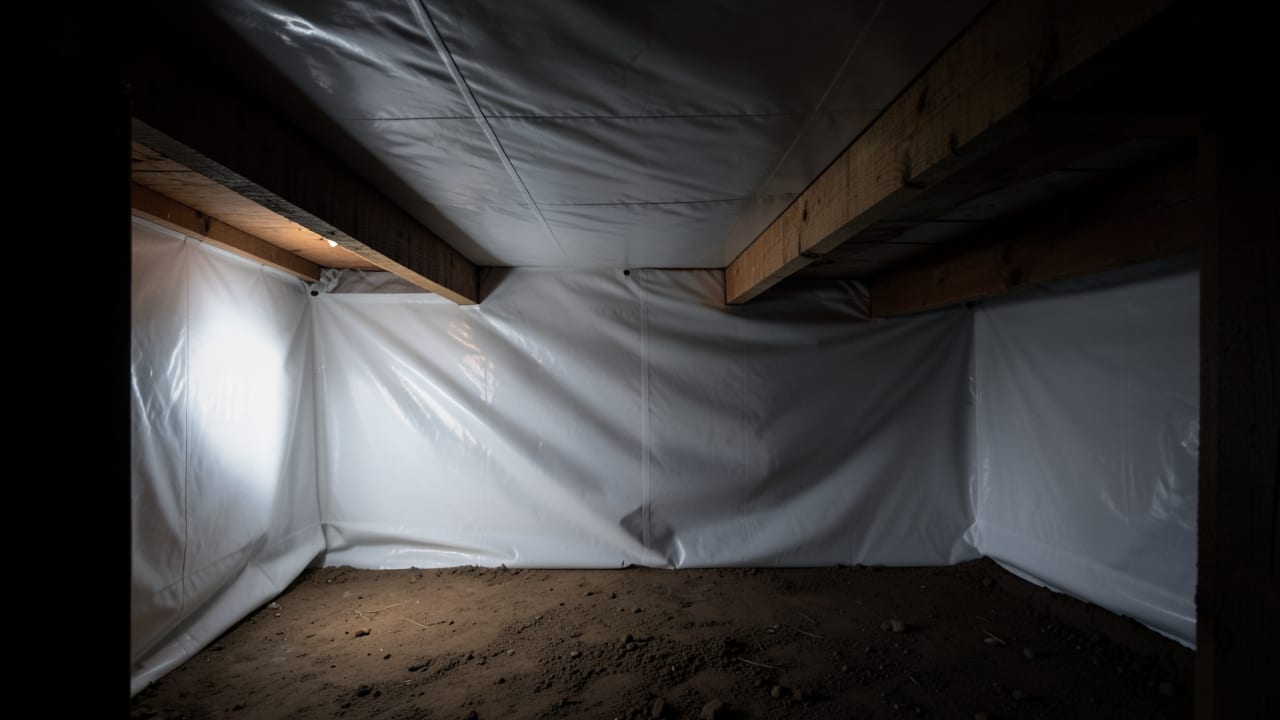
Crawl Space & Basement Mold Remediation in Winchester, VA
Crawl space and basement mold remediation in Winchester, VA addresses the two areas of a property most prone to trapped, unnoticed moisture.
Learn More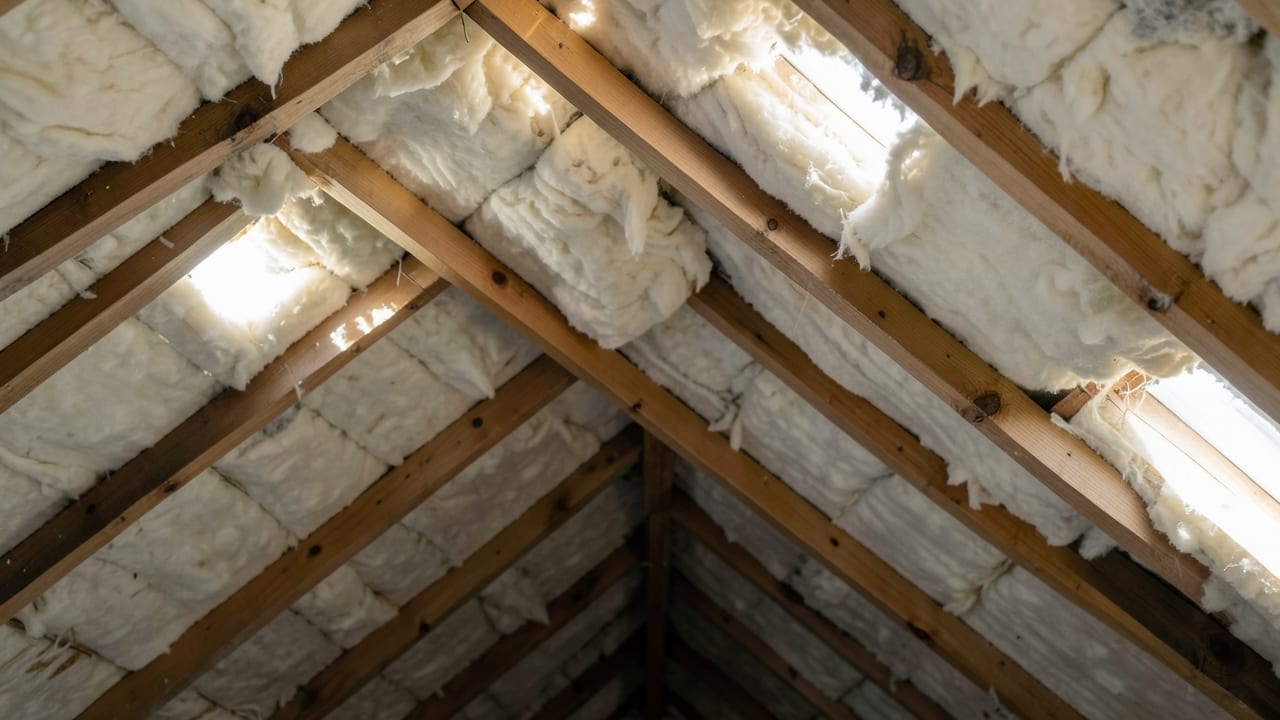
Attic Mold Remediation in Winchester, VA
Attic mold remediation in Winchester, VA addresses roof-deck growth typically caused by poor ventilation or a hidden roof leak.
Learn More
Commercial Mold Remediation in Winchester, VA
Commercial mold inspection and remediation in Winchester, VA for offices, retail space, and multi-unit properties, scheduled around business operations.
Learn More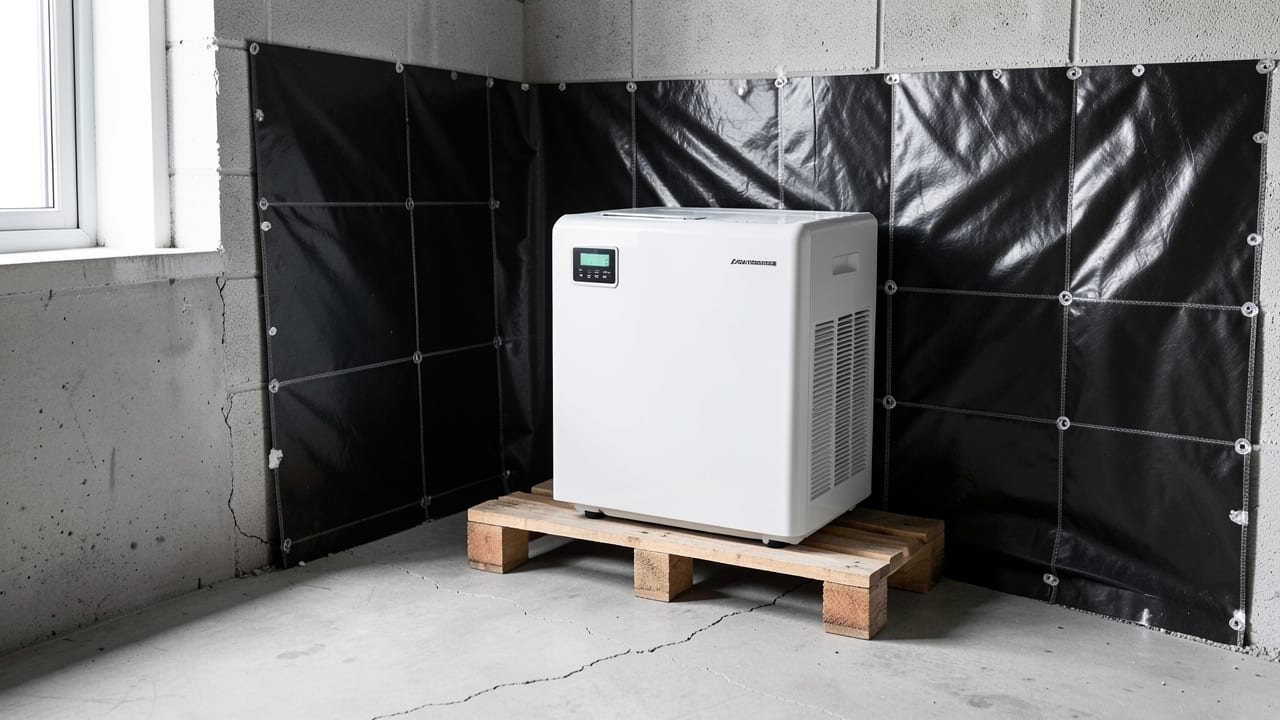
Mold Prevention & Moisture Control in Winchester, VA
Mold prevention and moisture control in Winchester, VA — addressing ventilation, humidity, and drainage before growth starts, not after.
Learn More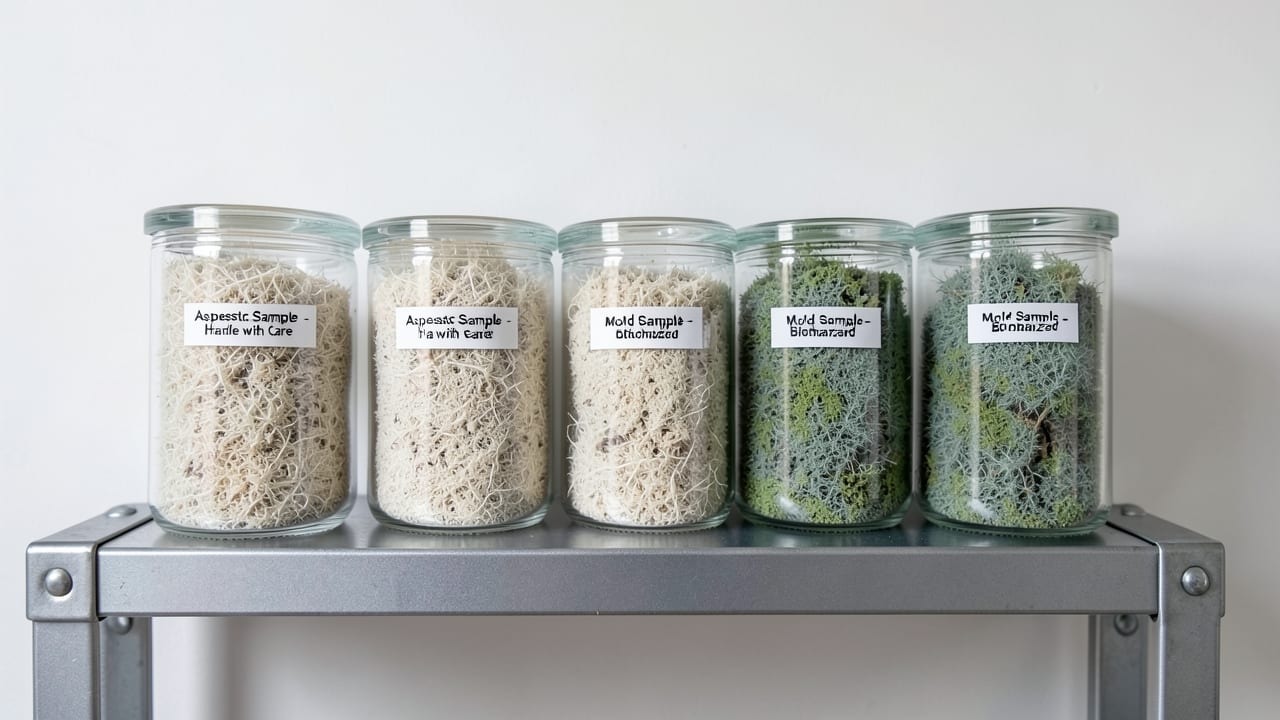
Mold & Asbestos Testing in Winchester, VA
Combined mold and asbestos testing in Winchester, VA — one inspection visit, lab-verified results for both.
Learn More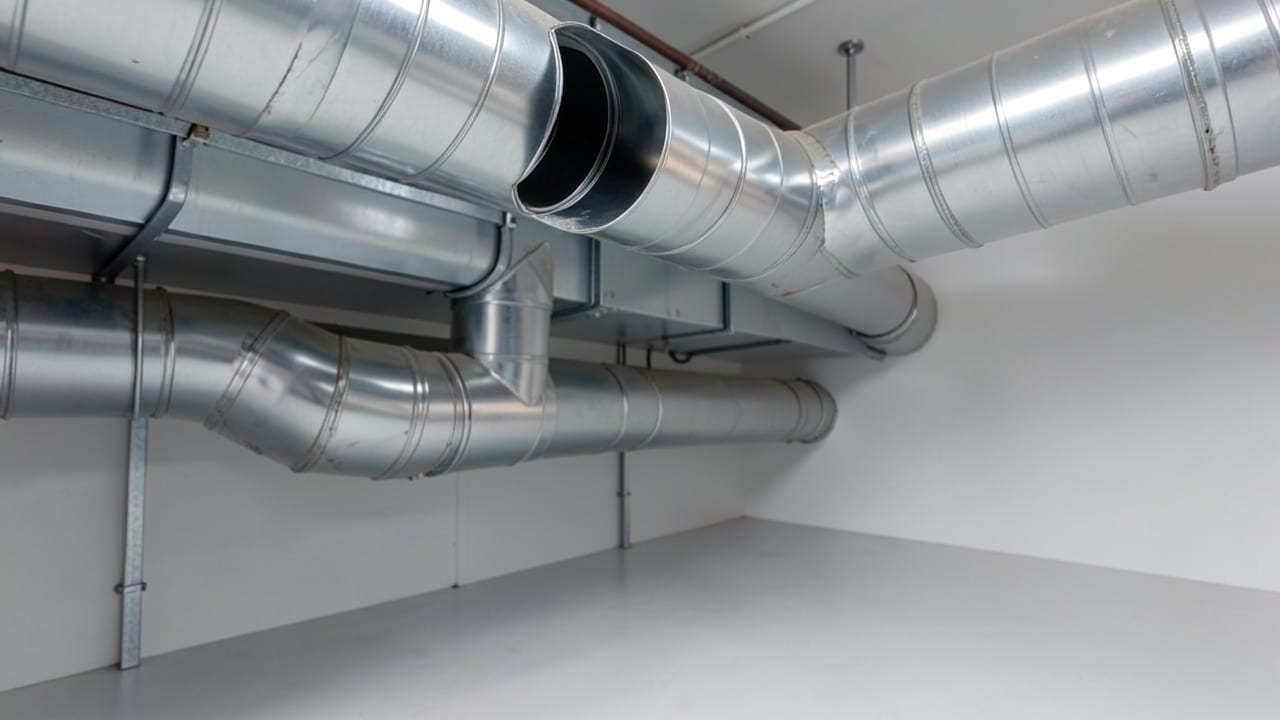
HVAC Mold Remediation in Winchester, VA
HVAC and ductwork mold remediation in Winchester, VA — mold growing inside the air handler or duct system, spreading through every vent.
Learn MoreCommon Questions About Mold Remediation in Winchester
Everything you need to know about mold remediation services in Winchester
How much does Garage Mold Removal typically cost in Winchester, VA?
Why does Winchester, VA's humidity make mold a bigger risk than in drier regions?
Can mold growing inside HVAC ductwork spread to the rest of a home?
Does mold mean the same thing as mildew?
Does homeowners insurance typically cover mold remediation?
Is black mold actually more dangerous than other mold types?
Need Mold Remediation in Winchester?
Connect with local providers in Winchester for a detailed quote.
⏰ We answer your call • Serving all of Winchester and surrounding areas