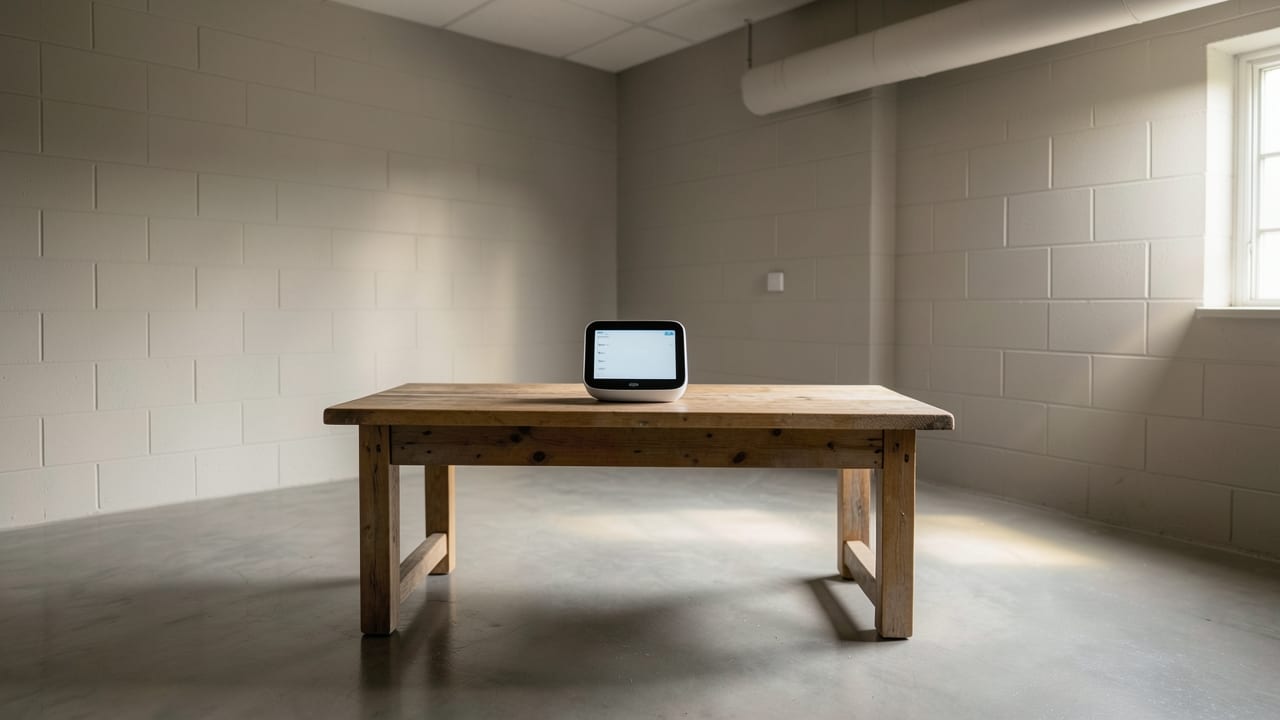
Pre-Sale Mold Clearance
Pre-sale mold clearance involves inspection and testing to confirm a property is mold-free before purchase.
Pre-sale mold clearance in Winchester, VA, ensures your home meets buyer expectations and avoids delays during a real estate transaction. This process involves a thorough inspection, sampling, and moisture source analysis to identify hidden mold growth before it becomes a larger issue.
It helps sellers address potential problems upfront and provides buyers with confidence in their purchase.
We also handle Roof Leak Mold Remediation and Apartment Mold Remediation for Winchester properties.
Why mold clearance matters before selling
Mold can hide behind walls, under floors, or in attics, often going unnoticed until it becomes a significant issue. A pre-sale clearance assessment identifies visible and hidden mold growth, ensuring your home is ready for buyers.
This step helps avoid last-minute surprises that could derail a sale or require costly repairs.
Even if mold isn’t visible, moisture issues—such as leaks, poor ventilation, or high humidity—can create ideal conditions for growth. Addressing these problems upfront protects your investment and ensures the home is safe for future occupants.
Signs You May Need a Pre-Sale Mold Assessment
- A persistent musty or earthy smell in closets, bathrooms, or crawl spaces that doesn’t fade with ventilation.
- Visible mold growth—black, green, brown, or dark speckles—on drywall, grout, window frames, or under carpets.
- A history of water damage, leaks, or flooding that was addressed but never professionally inspected for hidden mold.
- Respiratory symptoms (sneezing, headaches, itchy eyes) that improve when spending time outside the home.
What the process involves
A pre-sale mold clearance assessment begins with a visual inspection to identify visible mold, staining, or moisture damage. Tools like moisture meters and thermal imaging help detect hidden dampness in walls, floors, or roof lines that aren’t obvious to the eye.
If the source of mold isn’t clear, air and surface samples are collected from affected areas and a control room for lab analysis. This step ensures results are accurate and compared to a baseline, not judged in isolation.
The inspector also traces moisture back to its origin—whether it’s a roof leak, plumbing issue, or poor grading—to prevent recurrence.
What to expect in the report
The assessment concludes with a detailed written report outlining affected materials, the likely moisture source, and the square footage involved. This document is essential for remediation contractors to price the job accurately and, in some cases, is required by law before work begins.
The report also helps you understand whether the mold issue is isolated or part of a larger problem, such as chronic moisture. This clarity allows you to address the root cause rather than just treating the symptoms.
| What’s Included in the Report | Why It Matters |
|---|---|
| Description of affected materials (e.g., drywall, subflooring) | Helps contractors plan the most effective remediation approach. |
| Likely moisture source (e.g., roof leak, plumbing issue) | Prevents mold from returning after remediation. |
| Square footage of affected areas | Ensures accurate pricing and scope for remediation work. |
| Control room sample results for comparison | Provides context for lab findings and avoids false positives. |
How pre-sale mold clearance works
This process ensures your home is free of mold before a sale, protecting both your investment and the buyer’s health.
- 1Visual and Moisture Inspection
A trained inspector examines the property for visible mold, staining, or musty odors. Moisture meters and thermal imaging identify hidden dampness in walls, floors, or ceilings that could support mold growth.
- 2Air and Surface Sampling
If the source of mold isn’t obvious, samples are collected from affected areas and a control room. These samples are sent to an independent lab for analysis to determine spore counts and species.
- 3Moisture Source Diagnosis
The inspector traces moisture back to its origin—such as a leak, poor ventilation, or condensation—to address the root cause and prevent future mold growth.
- 4Written Scope Report
A detailed report is provided, outlining affected materials, the moisture source, and the square footage involved. This document guides remediation efforts and ensures compliance with Virginia’s mold regulations.
- 5Remediation Planning (If Needed)
If mold is found, the report helps you work with a licensed contractor to remediate the issue and fix moisture problems, ensuring the home is ready for sale.
Frequently asked questions
Can mold grow in my home even if I don’t see it?
Yes, mold often hides behind walls, under floors, or in attics where moisture is present. A pre-sale assessment uses tools like moisture meters and thermal imaging to detect hidden growth before it becomes visible.
How long does the lab analysis take for mold samples?
Lab results typically take 2–5 business days, depending on the testing facility. This timeline helps ensure the assessment is completed efficiently before the sale.
What happens if mold is found during the inspection?
If mold is detected, the report will outline the affected areas, moisture source, and recommended steps for remediation. Addressing these issues before listing your home helps avoid delays or negotiations during the sale.
Do I need to be home during the mold assessment?
No, the inspector can complete the assessment while you’re away. However, providing access to areas like attics, basements, or crawl spaces will ensure a thorough inspection.
Where Winchester sits, and what the Census lists nearby
Winchester sits in Virginia, and the closest places listed in the U.S. Census Gazetteer are Stephens City (6 miles south), Brucetown (8.1 miles northeast), Boyce (8.4 miles southeast), Shawneeland (9.2 miles west). Within 25 miles of Winchester the same source lists 39 distinct incorporated places and census-designated places.
Those figures matter for pre-sale mold clearance because they are straight-line distances between Census coordinate points: road mileage between Winchester and Stephens City runs longer than the 6 miles shown, which is why quotes for the same job differ between towns that look close together on a map.
Source: U.S. Census Bureau Gazetteer.
See Front Royal, VA for more, or check out the mold remediation work we do around Winchester for our complete lineup.
Ready to get started?
Talk to a local mold remediation pro in Winchester — get a written quote.
Other Mold Remediation Services in Winchester
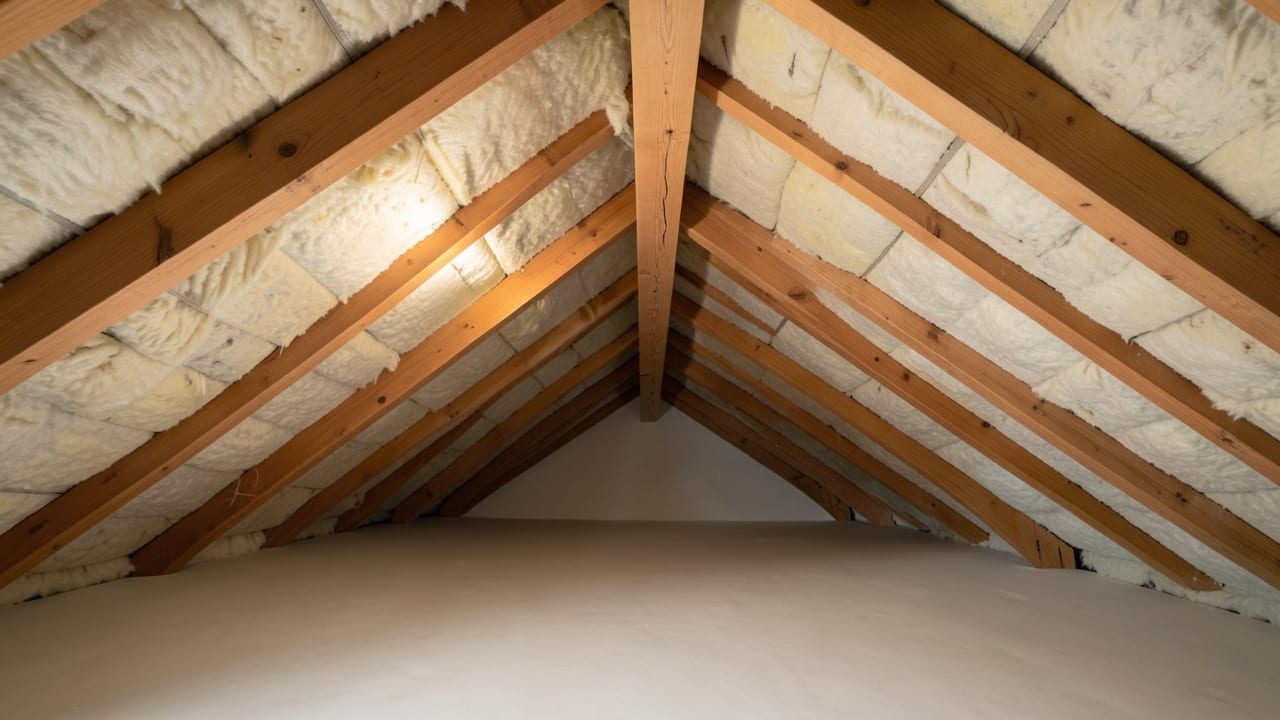
Roof Leak Mold Remediation in Winchester, VA
Professional removal of mold caused by roof leaks to restore a safe, healthy home environment.
Learn More
Apartment Mold Remediation in Winchester, VA
Professional mold removal and remediation for apartments to restore safe living conditions.
Learn More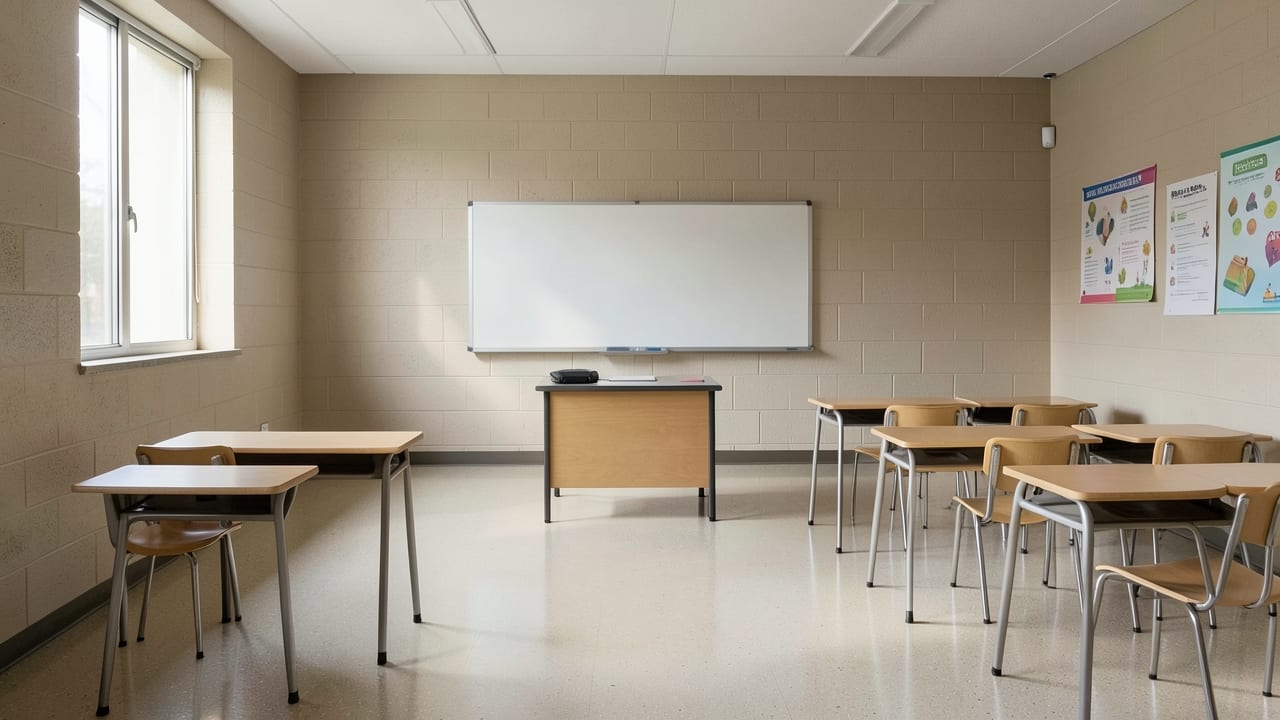
School Mold Remediation in Winchester, VA
Professional mold removal and remediation in schools to ensure a safe, healthy environment.
Learn More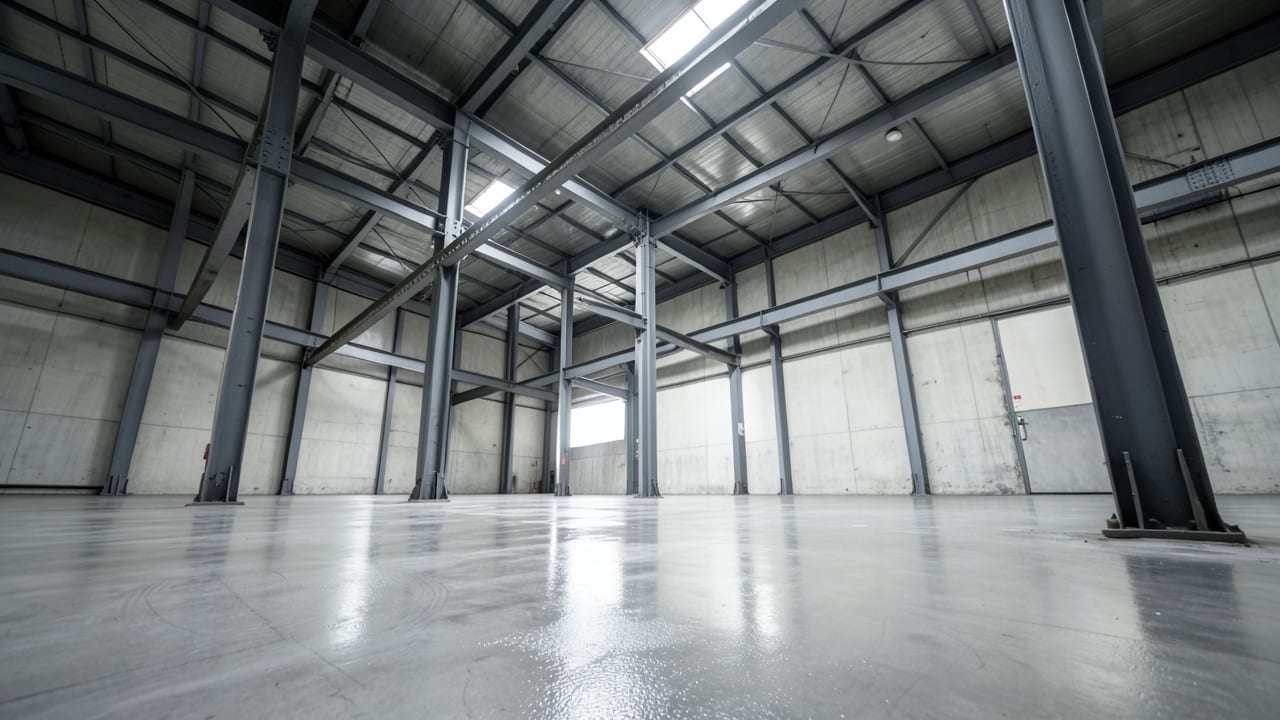
Warehouse Mold Cleanup in Winchester, VA
Professional removal of mold from warehouse spaces to restore safe, clean conditions.
Learn More
Wood Furniture Mold Remediation in Winchester, VA
Professional removal and treatment of mold from wood furniture to restore safety and appearance.
Learn More
Vinyl Flooring Mold Treatment in Winchester, VA
Professional mold treatment and removal for vinyl flooring in homes.
Learn MoreCommon Questions About Mold Remediation in Winchester
Everything you need to know about mold remediation services in Winchester
How much does Pre-Sale Mold Clearance typically cost in Winchester, VA?
Why does Winchester, VA's humidity make mold a bigger risk than in drier regions?
Can small mold problems be handled without hiring anyone?
What's the actual difference between mold removal and mold remediation?
Is a final clearance test part of a typical mold remediation job?
How does mold remediation actually prevent the problem from coming back?
Need Mold Remediation in Winchester?
Connect with local providers in Winchester for a detailed quote.
⏰ We answer your call • Serving all of Winchester and surrounding areas